Looking into the future of climate and development finance
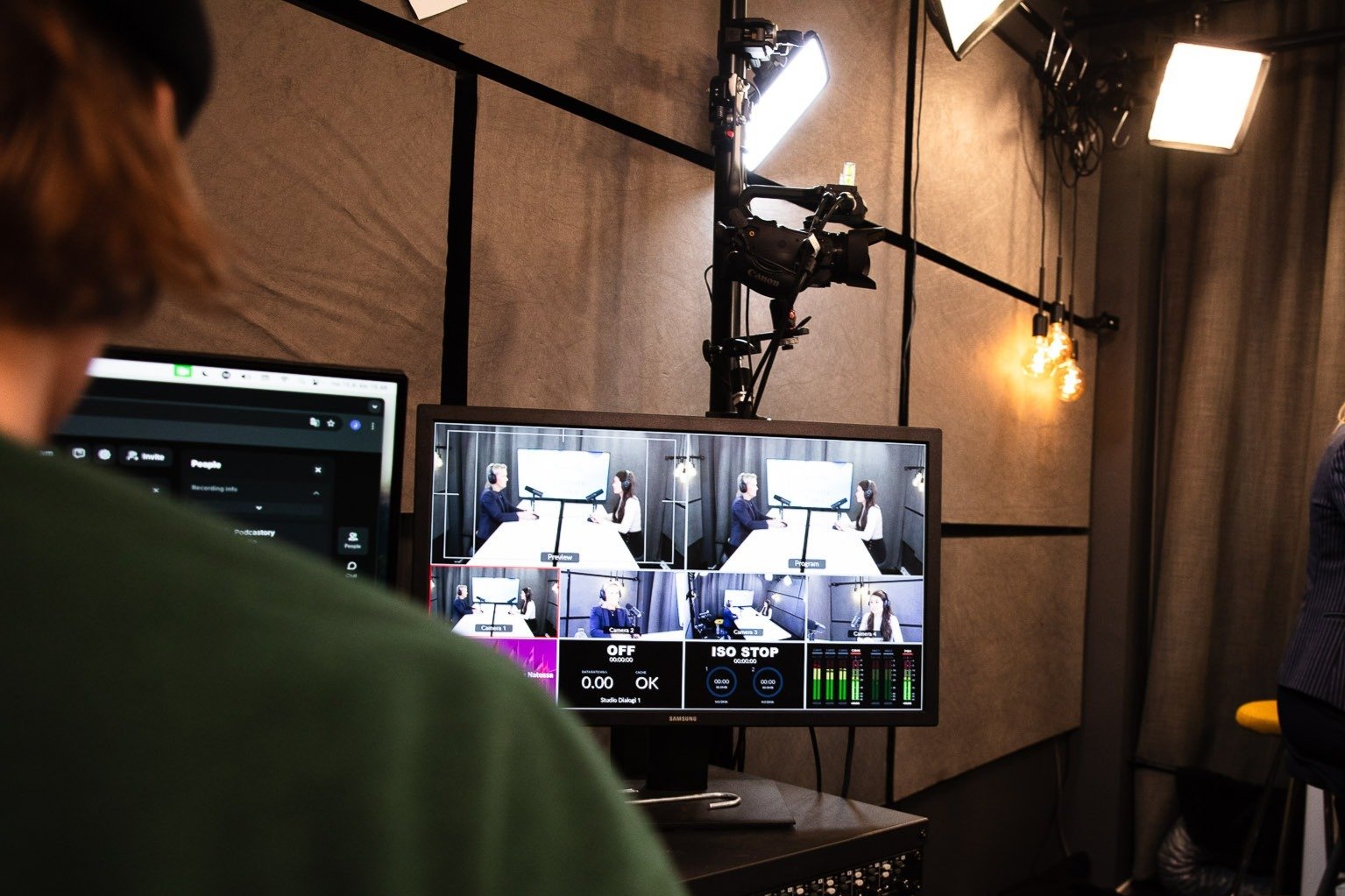
In our latest episode of Nordic x Climate Talks, we explore the changing landscape of the global climate and development space and how NDF’s Strategy 2030 can make a positive impact with its Nordic climate leadership.
In a world increasingly shaped by geopolitical uncertainty and the accelerating impacts of climate change, the need for bold, forward-looking climate action is more urgent than ever. In this episode, Satu Santala, Managing Director of NDF and Morten Houmann Blomqvist, NDF’s Chair of the Board of Directors, come together to discuss the global outlook of NDF’s operating environment and the new Strategy 2030.
“The climate crisis is impacting those who are most vulnerable in the world, in particular in the poorer countries. The necessity to act is greater than ever; at NDF, we feel deeply the responsibility that the financing the Nordic countries have provided through us, has a real impact, and that we also leverage the strengths and abilities that we have to drive solutions to the most difficult challenges, and leading the frontier of solutions,” says Satu.
Nordic collaboration for climate solutions
Our guest, Morten Houmann Blomqvist, has a long history with NDF and has been a member of the Board back in 2020, and now he serves as the Chair of the Board. “Much has changed since then, but not the climate crisis,” says Morten. “NDF and the Nordic countries have an important role to play. Our international engagement and our private sector can deliver a lot into the global landscape of fighting climate change,” he continues.
NDF’s Strategy 2030 highlights advancing Nordic climate leadership, closing the adaptation gap, and strengthening our efforts in nature-positive and biodiversity investments, and mobilising innovative solutions.
“Maximising the added value of NDF’s risk tolerant, concessional finance is a superpower we have – the kind of financing we have and our ability to catalyse initiatives, and take more risks than commercially based financiers,” says Morten.
In the conversation, Satu dives deeper on the NDF Strategy 2030 and her vision: “I see the Nordic countries and NDF as frontrunners in the world to test, pilot and scale to mobilise more funding in the future despite reduced ODA levels around the globe. If we want to adapt to climate change, the cheapest and fastest way to adapt is actually protecting nature and environment. Nature-based solutions are the best ways to protect, for instance, cities against flooding, or agriculture against droughts. Combining nature conservation with climate change adaptation is an area that needs further investments.”
The ambitious way forward
As a climate financier, NDF has the opportunity to be innovative and agile in the way we finance. The conversation concluded to reflections from our guests about opportunities for NDF moving forward, and how to best lead the frontiers of climate and development finance.
NDF’s Strategy 2030 prioritises geographically Sub-Saharan Africa, where 60% of our investments are directed to, especially to lower-income countries in the region.
“One area is to further deepen our partnerships with African partners and African countries, and seeing where we can support deepening of African capital markets to further enhance the sustainability of financing with domestic investments as well,” highlights Satu.