
Nordic Climate Facility
Learn more about Nordic Climate Facility, a challenge fund hosted by NDF from 2009 to 2024.
The Nordic Climate Facility (NCF) was a challenge fund established by the Nordic Development Fund (NDF) in 2009 and closed in 2024. Through risk-tolerant grant financing, NCF supported the development and testing of innovative climate solutions and green business concepts in developing countries. The Facility sought to help climate ideas move from concept to practice by demonstrating their technical, financial, environmental, and social viability, while creating opportunities for replication and scale.
NCF combined climate action with sustainable development objectives. In addition to supporting activities that strengthened climate resilience and reduced greenhouse gas emissions, the Facility promoted innovation, local capacity development, knowledge exchange, and partnership building. Through its portfolio, NCF contributed to livelihoods, environmental sustainability, and broader development outcomes across a range of sectors and contexts.
Financing was awarded through competitive calls for proposals open to Nordic organisations, which were required to partner with at least one local organisation in the country of implementation and provide co-financing. This model was designed to combine Nordic expertise with local knowledge and implementation capacity, while strengthening ownership, mobilising additional resources, and supporting the long-term sustainability of project results.
NCF Portfolio
Between 2009 and 2019, NCF launched nine thematic calls for proposals covering a broad range of climate, sustainability, and business development topics. Through these calls, the Facility approved financing for 99 projects implemented across Africa, Asia, and Latin America.
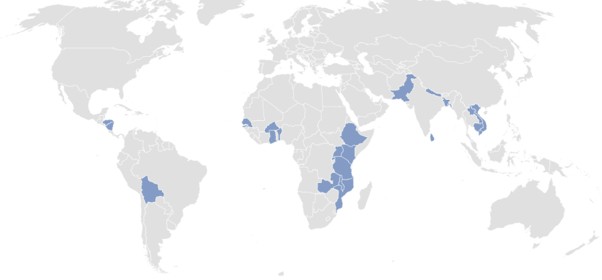
Projects addressed challenges related to climate adaptation, climate change mitigation, sustainable livelihoods, renewable energy, agriculture, forestry, natural resource management, urban development, and green enterprise development. Together, the portfolio contributed to the testing of new climate solutions, the development of partnerships between Nordic and local organisations, and the generation of knowledge and experience that continues to inform climate and development initiatives beyond the lifespan of the Facility.
Impact & Results
Over its 15-year lifetime, the Nordic Climate Facility supported a diverse portfolio of projects addressing climate change through innovation, partnership, and sustainable development. Across Africa, Asia, and Latin America, NCF-financed initiatives helped test new climate solutions, strengthen local capacity, promote knowledge exchange, and foster collaboration between Nordic and local organisations.
The Facility's portfolio generated results across a wide range of sectors and thematic areas, including climate resilience, greenhouse gas mitigation, sustainable livelihoods, renewable energy, agriculture, natural resource management, and green enterprise development. Beyond delivering project-level activities, NCF played an important role in demonstrating new approaches that could be replicated, adapted, and further developed beyond the lifetime of the original grants.
Further information on NCF's results, lessons learned, and long-term legacy will be made available on this page over time.
What projects did NCF finance? Read stories of our impact.
Biomass Pellet industry: A clean energy solution for Nepal
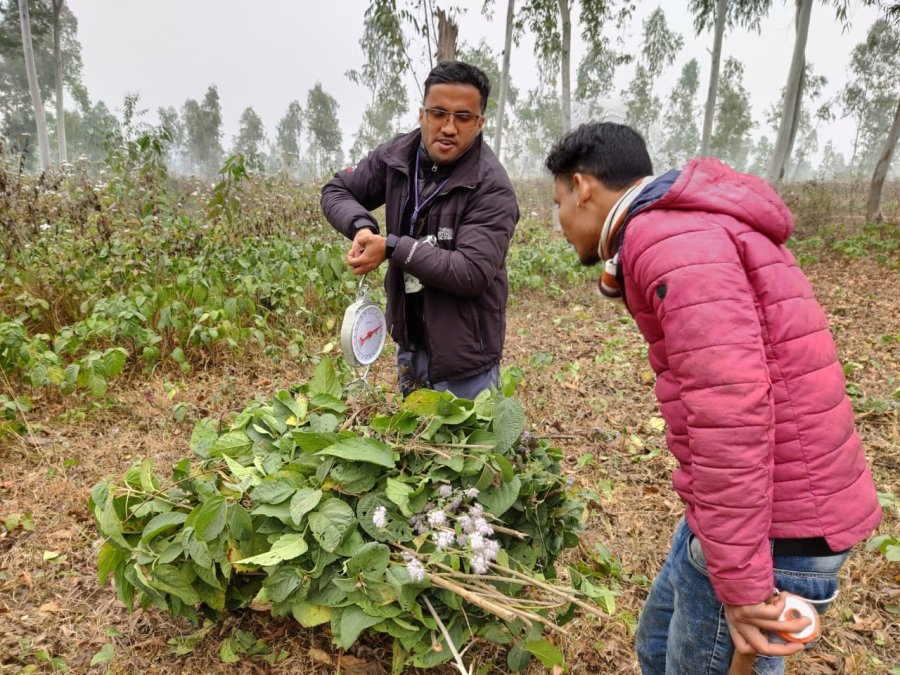
Photo: BAKAS Renewable Energy Ltd. / Arbonaut Ltd
In Nepal, the industrial sector is thriving, infrastructure is developing, and population growth rapid. All of this increases the demand for energy. To control carbon emissions and tackle climate change, companies responsible for energy generation need to lean towards renewable sources. An NCF-funded project, Arbonaut, replaces fossil fuels with biomass pellets and demonstrates how this can improve both the well-being of environment and local communities.
Closing the Nutrient Loop on Sustainable Aquaculture in Tanzania
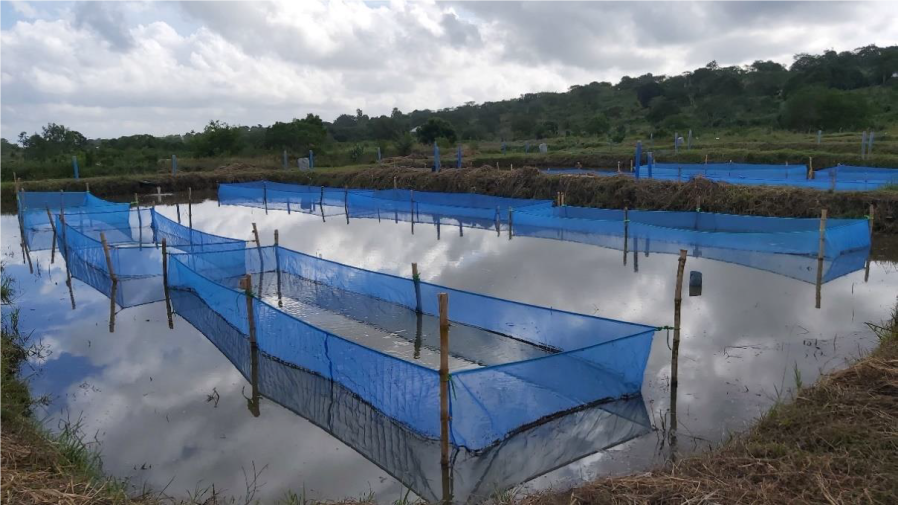
Photo: Swedish University of Agricultural Sciences
In Tanzania, aquaculture production is important for the livelihoods of people living in local communities. However, it heavily relies on expensive imported feed or poorly produced local alternatives, which not only strain the economy but also harm the environment. To address the pressing challenge of unsustainable aquaculture production, Nordic Climate Facility (NCF) financed a project to develop an alternative solution to make aquaculture feed more sustainable and economically beneficial for the locals.
Contact information
Jacob Lorentzen, Program Manager (jacob.lorentzen@ndf.int)