The fruits of Nordic collaboration on display at Nordic Climate Dialogues
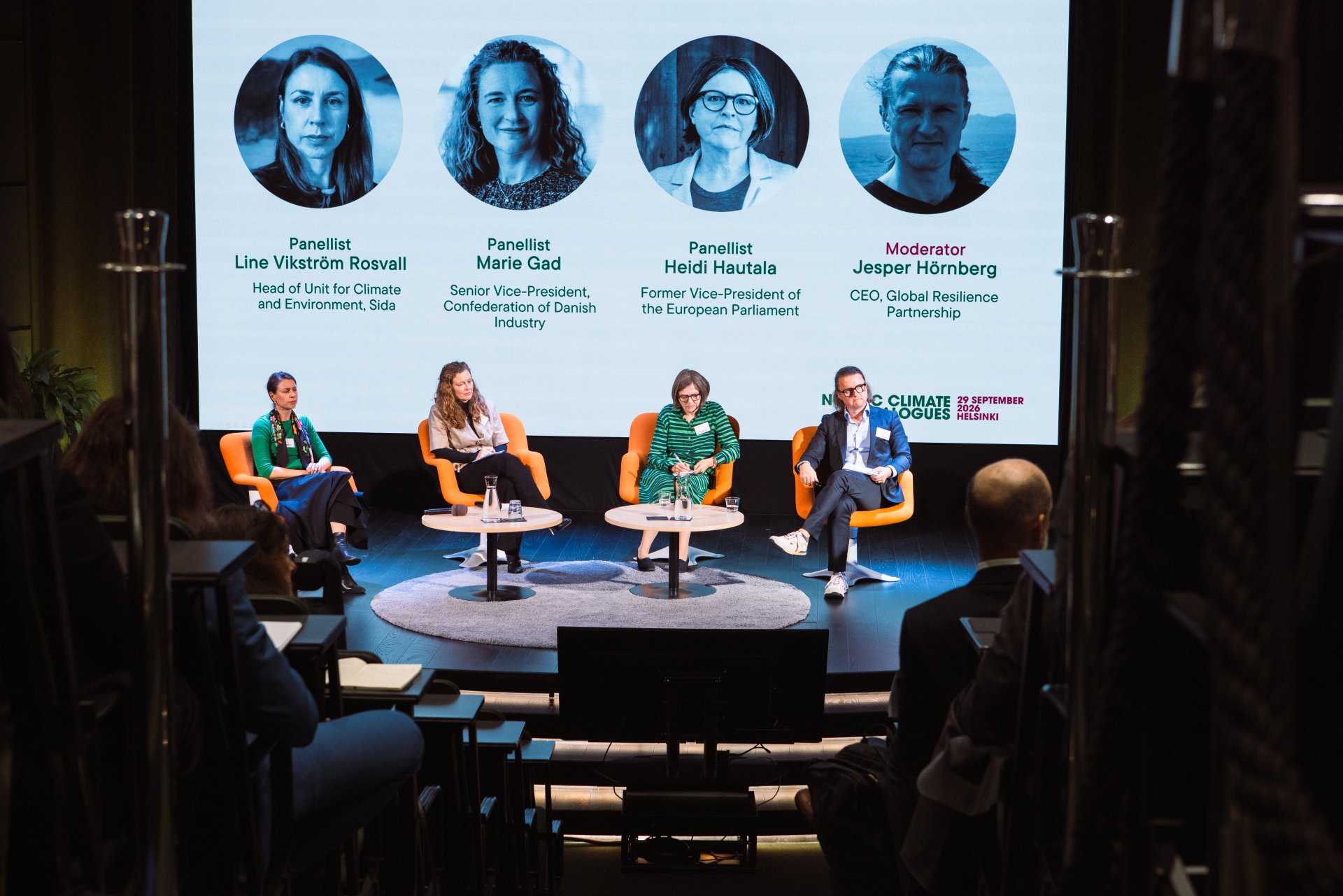 Photo: NDF/Tero Ahonen
Climate adaptation finance is under pressure throughout the world. The Nordic ‘superpower’ of collaboration is more important than ever to build a sustainable future.
It has never been a better time for Nordic collaboration. Our shared values of trust, transparency, equality, inclusion and sustainability only gain real meaning when they are reflected in actions. This was one of the key messages at Nordic Climate Dialogues 2026.
“The world looks dire, so the Nordic region can and should step up,” says Satu Santala, Managing Director of Nordic Development Fund, who opened the event. “There is pressure on international cooperation, multilateralism and development climate finance, where the Nordic region has a key role to play. This time calls for credible, long-term partnership, which is really the Nordic superpower.”
Gunvor Kronman, CEO of the Hanaholmen Cultural Centre, where the event was held, agrees.
“We call ‘trust’ the Nordic gold,” she says. “It’s not something we can take for granted.”
The need to strengthen resilience, protect biodiversity and support those most vulnerable to climate change remains as acute as ever. Addressing these challenges requires cross-border collaboration, which is why Nordic Climate Dialogues 2026 gathered experts from the public, private and NGO sectors to lead through collective action.
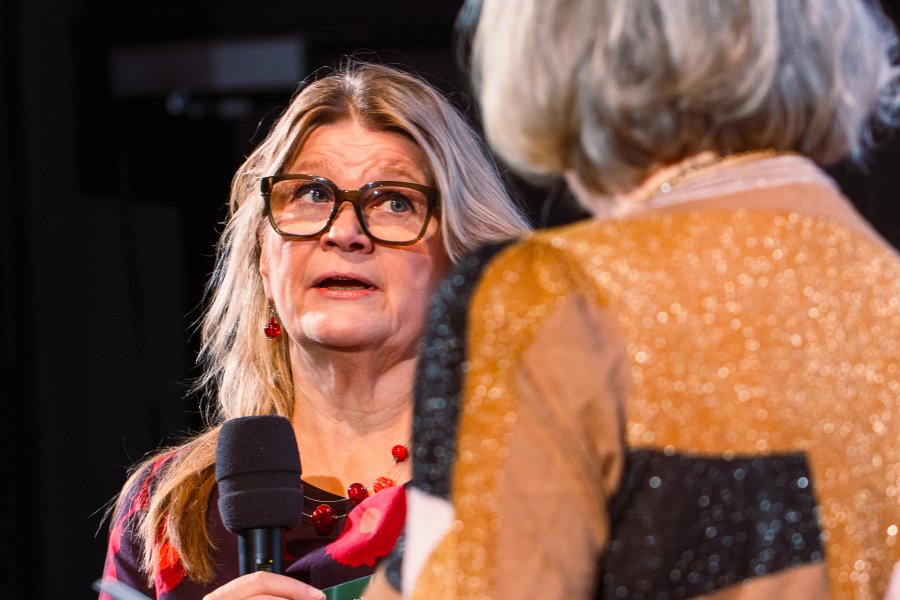 Satu Santala at the opening of Nordic Climate Dialogues 2026. Photo: NDF/Tero Ahonen
Building international trust
Countries, organisations and people in the Nordic region are used to trusting and collaborating with each other, yet it is a relationship which needs care and attention. In particular, the dialogues hoped to use the ‘Nordic gold’ to build collaborations with other like-minded organisations not only in the Nordic region, but around the world.
“Can institutions build trust? Yes,” says Jacqueline Novogratz, Founder and CEO of the investor Acumen. “When NDF was first interested in some of our portfolio companies, I admit I was cautious. Yet we had honest conversations and built a good understanding of each other.”
Acumen is now a strategic partner for NDF, which in 2025 invested in their Hardest-to-Reach Initiative, which supports energy-poor communities in Africa. This collaboration is a concrete example of successful Nordic collaboration with international organisations.
Presenters at the dialogues pitched other real-world climate finance initiatives to prompt practical opportunities to work together. The SIDS Restoration Flagship from the United Nations Environment Program believes in whole-island, holistic development in small island states. The REAL Programme Catalyst uses energy-as-a-service to improve energy access in rural sub-Saharan Africa. Nefco’s Nordic Climate Partnership mobilises climate finance by using innovative carbon markets. NDF presented its new Climate Innovation Challenge Fund (CICF), a multi-donor fund developed in collaboration with the Swedish international development funding agency Sida. CICF is aimed at addressing climate change in lower-income countries.
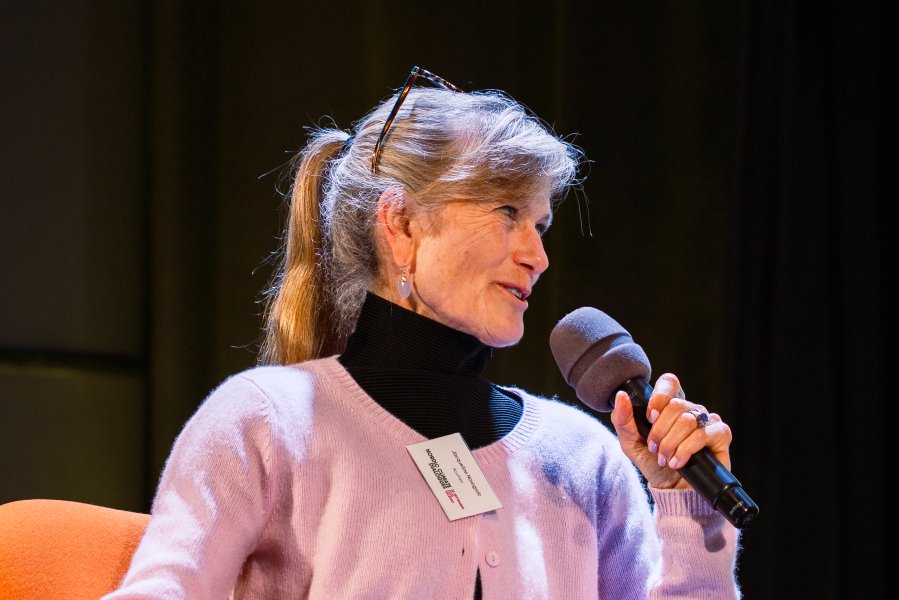
Jacqueline Novogratz participated in the second panel of the day: From concessional to catalytic -- making climate finance deliver at scale. Photo: NDF/Tero Ahonen
Willingness to lead
Nordic institutions are ready to use catalytic capital and risk the first loss in order to attract partners among commercial investors. Complementary organisations such as this can create valuable synergy. Crucially, this can also mobilise local capital in lower-income countries, building more diverse partnerships in climate finance.
“The courage to take the first loss in climate change adaptation finance is extremely powerful,” Novogratz says. “Climate finance isn’t scarce; it is scared. The willingness to fail first makes everything else possible.”
At a time when global attention to climate action and sustainable development is shifting, it is an opportunity for the Nordic region to lead climate and development finance for those who need it the most. As Novogratz said during Nordic Climate Dialogues, the world is looking at the Nordic region for leadership in advancing climate and development finance.
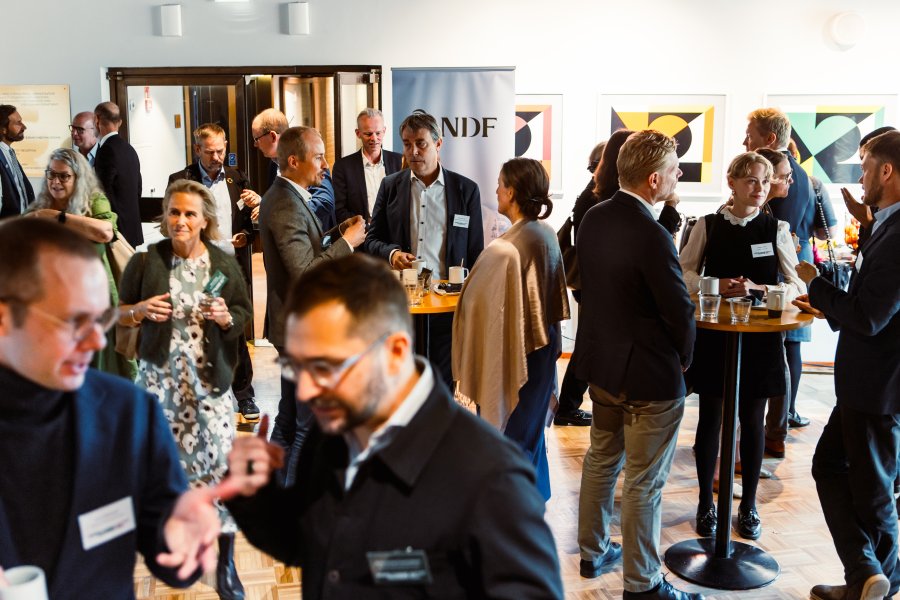
Photo: NDF/Tero Ahonen
Creating a sustainable future
Nordic countries have built an ecosystem of public institutions which frequently work together to combine development finance with private investment and make use of Nordic companies’ environmental expertise and know-how. This experience results in efficient institutions and agile action, while these collaborations allow investments of a size and scale which would not be possible for any one country or institution to accomplish alone.
“By coming together we can make a difference,” says Satu Santala. “We need to make connections, bring people together in a room for human-to-human interactions. New collaborations start today. We can shape our future together.”