
Nature-positive finance offers strong potential for sustainable development
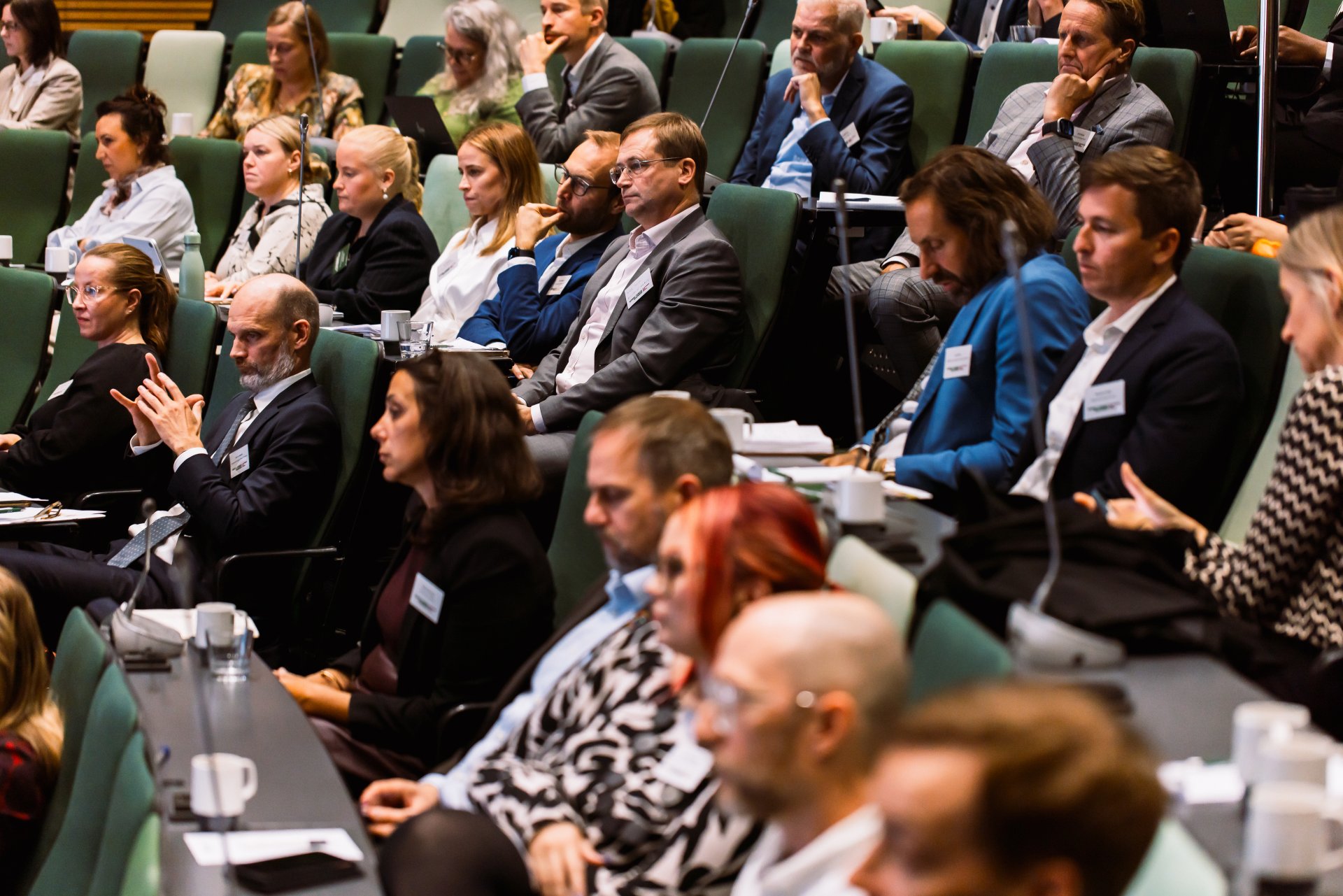 Photo: NDF/Tero Ahonen
Nature and biodiversity are key to a sustainable future. Nordic Climate Dialogues 2026 brought together Nordic and international actors to explore how finance and expertise can advance biodiversity- and nature-positive solutions.
Over half of the world’s GDP is moderately or highly dependent on nature, making nature and biodiversity no longer a secondary thought for sustainable development, but critical for its success. Participants at NCD26 explored how the Nordic region’s core strengths – concessional public capital, strong institutions, environmental expertise and committed corporations – can make a real, positive impact on nature and development.
“In many countries, the climate has fallen far down on the political agenda, driven primarily by competing economics, crises and geopolitical tensions. We need new ideas, new ways to mobilise funds for climate adaptation in less-developed countries. Nature is our best and most cost-effective tool to adapt to climate change,” explained Monica Rubin, Denmark’s Minister for Social Affairs and Minister for Nordic Cooperation, via video-message.
Nature as a guiding force in development finance
Research from Climate Policy Initiative (CPI), one of the partners of Nordic Climate Dialogues, shows the urgent need for nature and biodiversity finance. About USD 1.9 trillion goes for climate change mitigation and USD 65 billion is earmarked for adaptation finance, but nature-positive finance is only a fraction of those flows. A core concept is to make nature a guiding force in development finance, rather than creating a separate category for biodiversity projects.
“We need to mainstream biodiversity finance, but for that the organisations in this field need quality data,” says Barbara Buchner, CEO of CPI. “It is important to think not only about quantity, but also the quality. We need to use every dollar the most effective way possible. Some things are over-engineered, and we need simplicity.”
Jesper Hörnberg, CEO of Global Resilience Partnership, emphasises the need to build markets and systems, not just finance nature-positive projects. “It is a failure of decision-making, not just a financing gap,” he says. “We have to organise ourselves, so the money gets to where it is needed.”
Unlocking new opportunities
This is not only a challenge to be addressed, but also a space for significant potential. A nature-based transition could generate USD 10 trillion in GDP and 395 million jobs by 2030, according to the World Economic Forum.
“It is a major opportunity,” confirms Anne Tarvainen, Programme Director for International Cooperation at WWF Finland, another event partner. “Investing in nature-positive businesses and sustainable value chains can improve resilience, reduce climate-related risks, unlock new markets and help attract customers, investors and financiers who increasingly value strong environmental performance.”
Some popular examples of nature-positive finance include organic agriculture, forest restoration and sustainable fisheries. For example, mangrove restoration can strengthen coastal resilience, while wetlands restoration can help protect cities by reducing flood risks and supporting natural water management.
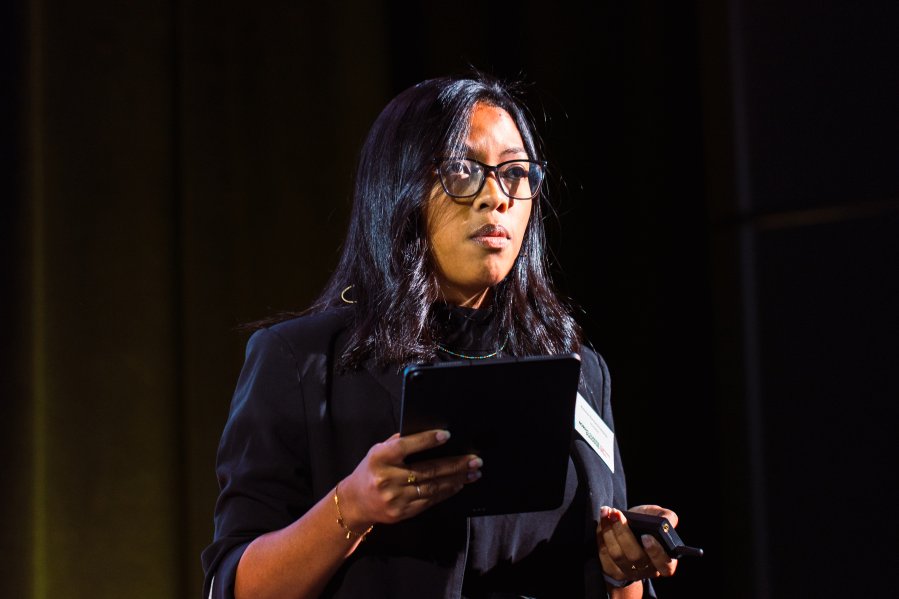
Koloina Ramaromandray at Nordic Climate Dialogues 2026
Insights from Madagascar
One participant at the dialogues, Koloina Ramaromandray, Blended Finance Director at Miarakap, explains local conditions should always be taken into consideration.
Miarakap is a Madagascar-based impact investor which is just launching a biodiversity and climate fund that focuses on biodiversity conservation and climate change adaptation and mitigation by supporting and financing appropriate SMEs. Miarakap aims to find promising biodiversity-positive investments in companies specialising in the sustainable use of natural resources, nature-based solutions, livelihood improvement, and climate change mitigation and adaptation. “Our idea is that forests will stand because businesses depend upon them,” Koloina Ramaromandray says.
The event highlighted Nordic action on climate, development and nature, while bringing together diverse perspectives on how to advance biodiversity-positive finance. Through dialogue and exchange, participants explored how to turn ambition into action.