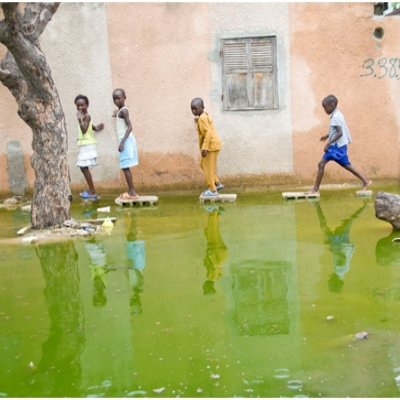
Storm drains programme in Senegal helps residents live in peace with water
Water drainage systems and sustainable city management solutions in Dakar’s most flood prone cities have saved 160 000 residents, most of them women, and about 900 hectares of land from recurrent flooding. This work is now continuing under a new project.
Stormwater flooding is one of the biggest natural hazards that has faced Senegal during the past decades with peri-urban Dakar, the worst hit. The vulnerability of urban settlements to disaster risk has partially been worsened by weak planning and management mechanisms and institutional capacities.
The Global Facility for Disaster Risk Reduction and Recovery estimates that between 1980 and 2008, flooding affected between 400,000 and 600,000 individuals each year and caused significant damage to infrastructure, public facilities and private property, as well as millions of dollars in economic losses.
To address these challenges, the Stormwater Management and Climate Change Adaptation Project (PROGEP) was initiated in 2012. The project came to an end in 2021, but as it has many positive outcomes, a new project was put in place and is running until 2026. Both projects are funded by the World Bank, the Nordic Development Fund and the government of Senegal.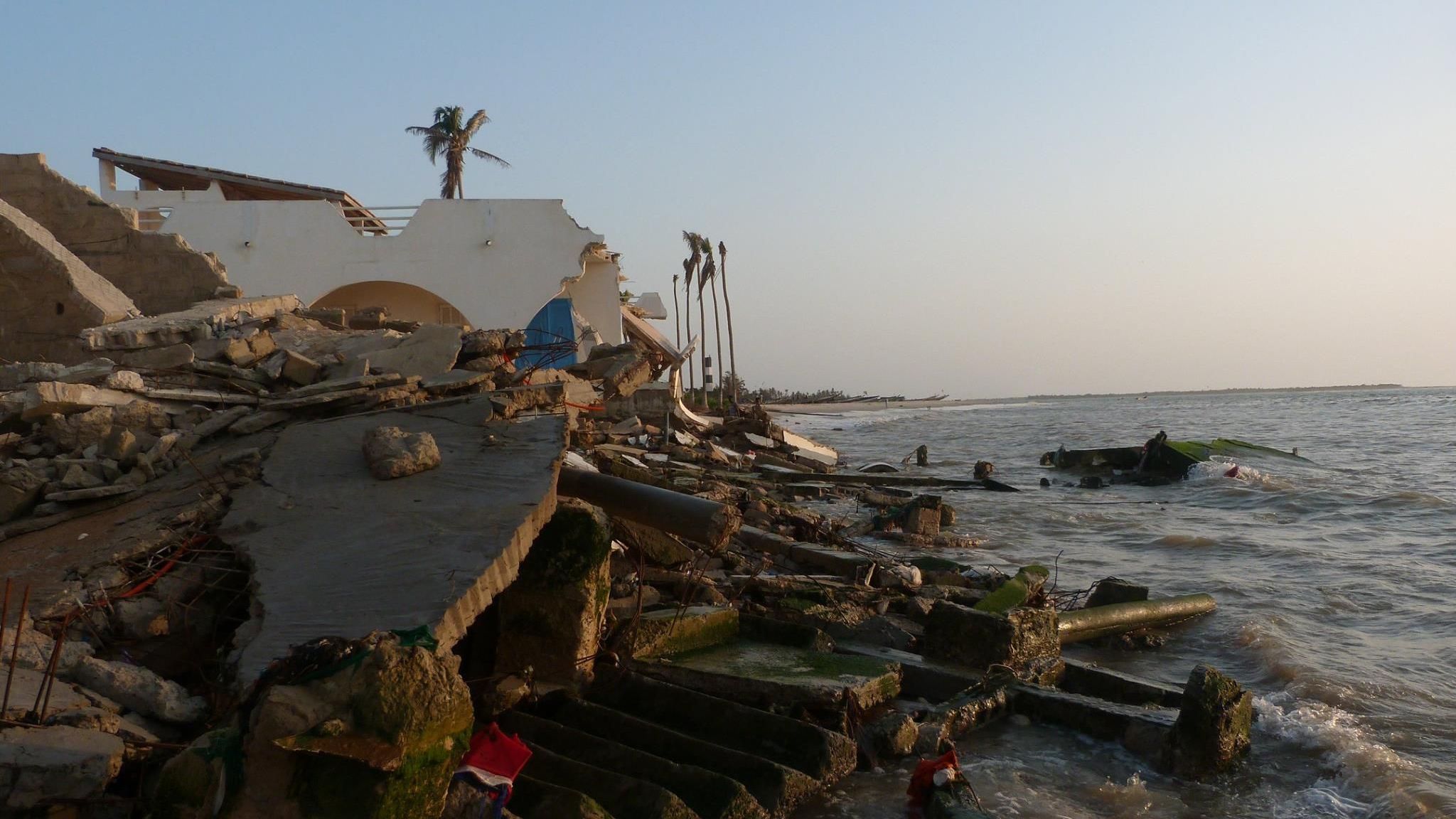
Our commune was constantly flooded
Like its forerunner, PROGEP2 aims to reduce flood risks in peri-urban Dakar and in new areas by improving the capacity to integrate flood risks and climate resilience in urban planning through nature-based solutions and green infrastructure measures.
Idrissa Diallo, mayor of Dalifort-Foirail, a municipality in Pikine, one of Dakar’s most vulnerable departments, said prior to the development of the storm drains, the situation in his area had become critical.
“Our commune being on the path of the water, we were constantly flooded, especially the Belvedere and Cite Soleil neighbourhoods. Seventeen thousand residents were directly affected by such flooding,” he said.
“The drainage infrastructure put in place under PROGEP resolved the problem. The living environment has vastly improved, with positive impacts at all levels: education, health, environment, security, transport, economy, and so on.”
People have come back home now
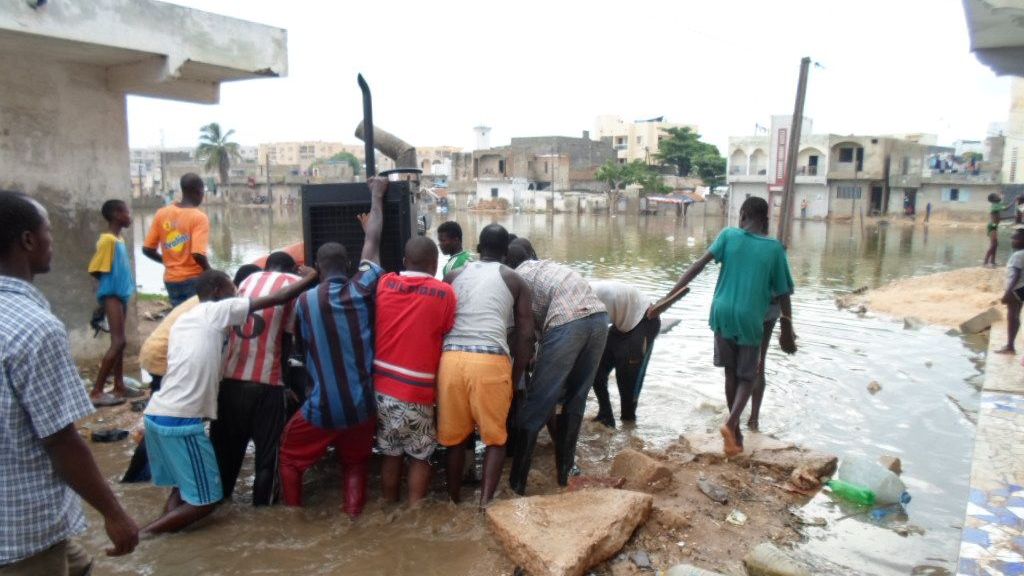
Others like Cheikh Sy, a representative of Cheick SY suburb in Yeumbeul Sud municipality, said the programme had restored normality to troubled residents, many of whom were living restlessly due to the permanent presence of water.
“Before the construction work, there was always water everywhere. We would lift up our charcoal stoves to cook. We would put our things as high up as possible on shelves so that they would not get wet or destroyed. It was tough."
“We had to spend a lot of money on pumping water and emptying septic tanks. Several families could not take it anymore and abandoned their houses because of water issues."
“Drainage channels have been built to evacuate water towards rain overflow basins that are situated lower down in the neighbourhood. Paved roads have been built allowing for better draining and improving mobility in the neighbourhood. Today, we can live in peace with water. Families have come back to abandoned houses,” he said.
Sokhna Ba, a World Bank disaster risk specialist said the PROGEP contributed significantly to responding to the serious and recurrent flooding problem that affected Dakar.
Planning and maintenance are key to success
Pierre Coly, an institutional support director of the Municipal Development Agency (ADM), said the project instilled the importance of putting climate risk into urban planning.
“If we had a disaster risk management plan, Dakar would not have been subjected to so much flooding because it’s not an island. We learnt that for a policy to succeed it must include communities in all its strategies because without people’s participation, it’s difficult to achieve set objectives,” he said.
Despite PROGEP’s notable achievements in reducing the flood risk in the affected areas, key challenges remain in sustainably tackling urban flooding as more cities are increasingly becoming more vulnerable to widespread and frequent flooding.
The built infrastructure is also exposed to many risks that can limit their lifespan and correct functioning, such as obstruction by rubbish, silting, accumulation of sediments that encourage growth of aquatic plants, deterioration of the embankments protecting the ponds against erosion.
Ensuring a long lifespan of the drainage systems therefore requires regular maintenance. PROGEP2 is not only tailor-made to address these outstanding challenges but to scale up the integrated flood management approach and solutions to other selected cities.
Photos: PROGEP